
- Abdellatif - Ouirgane Local Guide
- +212 672 47 02 31
- contact@ouirganeguide.com

Mount Toubkal Altitude Safety: Acclimatization Tips for a Safer Trek

Autumn Mount Toubkal Trekking: A Practical Guide for September and October
September 6, 2026
Mount Toubkal is a rewarding mountain, but its 4,167-metre summit deserves respect. The most common mistake is treating the climb as only a fitness challenge. A strong walker can still feel unwell when the ascent from Imlil to the refuge and then to the summit happens too quickly.
This practical guide explains how to plan a safer, more comfortable Toubkal trek: how to build acclimatisation into your itinerary, which symptoms matter, how to pace yourself, and when turning around is the right decision. It is travel information, not a substitute for advice from a qualified medical professional.
Why altitude matters on Mount Toubkal
Altitude illness can affect anyone, regardless of age or fitness. It usually becomes a concern above about 2,500 metres and is caused by ascending faster than the body can adapt to the reduced air pressure. On the classic route, walkers may sleep around 3,200 metres at the Toubkal refuge after starting much lower in Imlil. That is a substantial first-day change in sleeping altitude.
Acute mountain sickness (AMS) may include a headache, nausea, poor appetite, dizziness, unusual tiredness or weakness. Symptoms often appear several hours after reaching a higher altitude, so do not assume you are safe simply because you felt fine during the walk. More serious conditions can involve confusion, loss of coordination, breathlessness at rest or a wet cough. Those signs require urgent help and descent.
Choose an itinerary that gives your body time
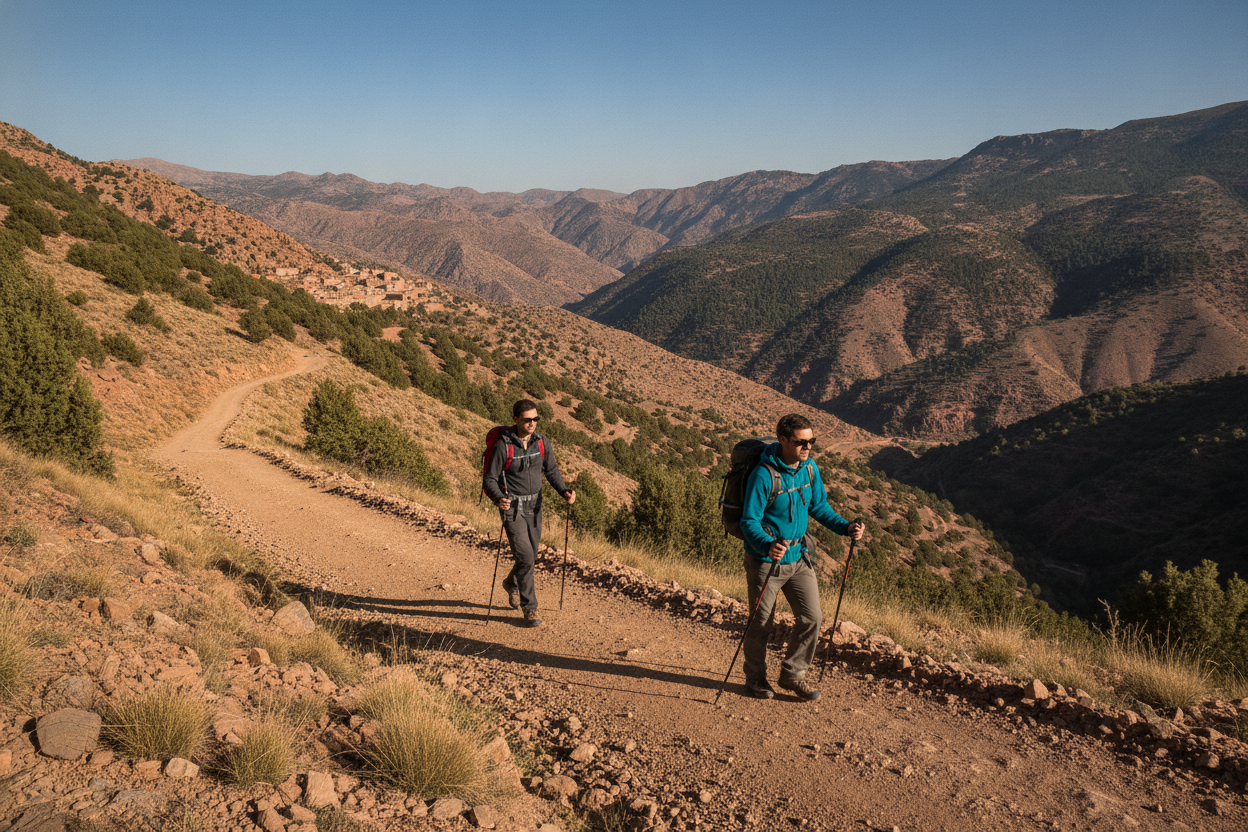
A fast two-day summit itinerary can work for some experienced trekkers, but it leaves little margin if you react badly to altitude. If your schedule allows, consider spending a night in Marrakech or Ouirgane, then a night in Imlil before continuing to the refuge. Ouirgane sits lower than Imlil and makes a peaceful walking base; our two-day Atlas Mountains trek from Ouirgane is useful inspiration for a gentler start.
You can also choose a longer route rather than rushing directly to the summit. Compare the options on our three-day Mount Toubkal trek and six-day Toubkal itinerary pages. A rest or acclimatisation day is not wasted time: it can make the summit day more enjoyable and gives your guide flexibility.
Practical acclimatisation habits
- Ascend gradually where possible. Above 3,000 metres, many mountain-medicine guidelines advise limiting increases in sleeping altitude and adding rest days. Your guide should adapt the plan to the group, conditions and your previous experience.
- Walk slowly from the start. Use short steps, keep conversation easy and take regular brief pauses before you are exhausted.
- Eat and drink regularly. Carry enough water and snacks, but do not force excessive drinking. Dehydration, sun exposure and a lack of food can feel similar to altitude symptoms.
- Avoid alcohol before and during the ascent. Prioritise sleep and tell your guide about any medication or health condition.
- Do not use medication as a replacement for acclimatisation. Ask a doctor or travel-health professional whether any preventive medicine is appropriate for you, especially if you have a medical condition or previous altitude illness.
What to do if you feel unwell
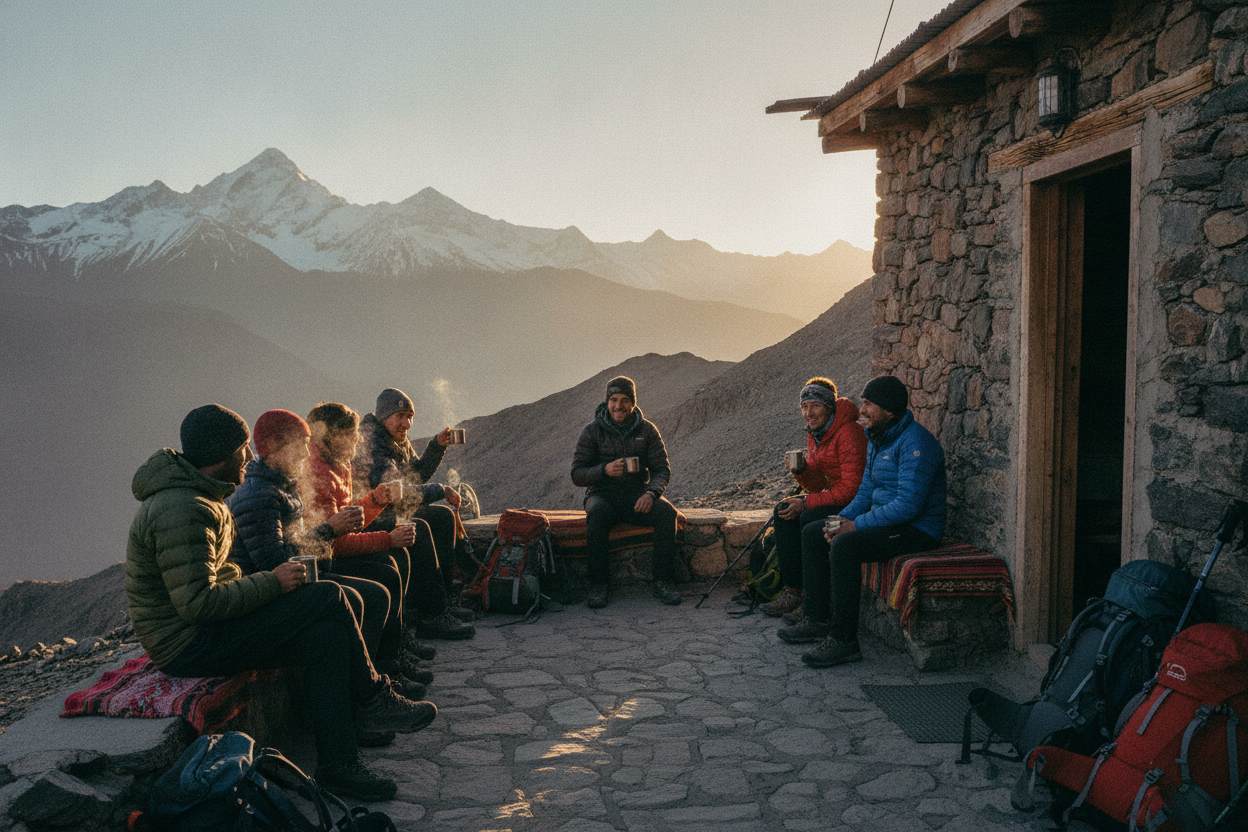
Tell your guide or trekking partner as soon as symptoms start. Stop ascending and rest at the same altitude. A mild headache after exertion can have several causes, but a new headache combined with nausea, dizziness or unusual fatigue after gaining altitude should be taken seriously.
If symptoms worsen, do not improve with rest, or include confusion, poor coordination, breathlessness at rest, chest tightness or a wet cough, descend immediately with assistance and seek urgent medical care. Never leave a sick trekker alone and never push for the summit to “see if it gets better”. A summit is optional; safe descent is essential.
Pack for changing mountain conditions
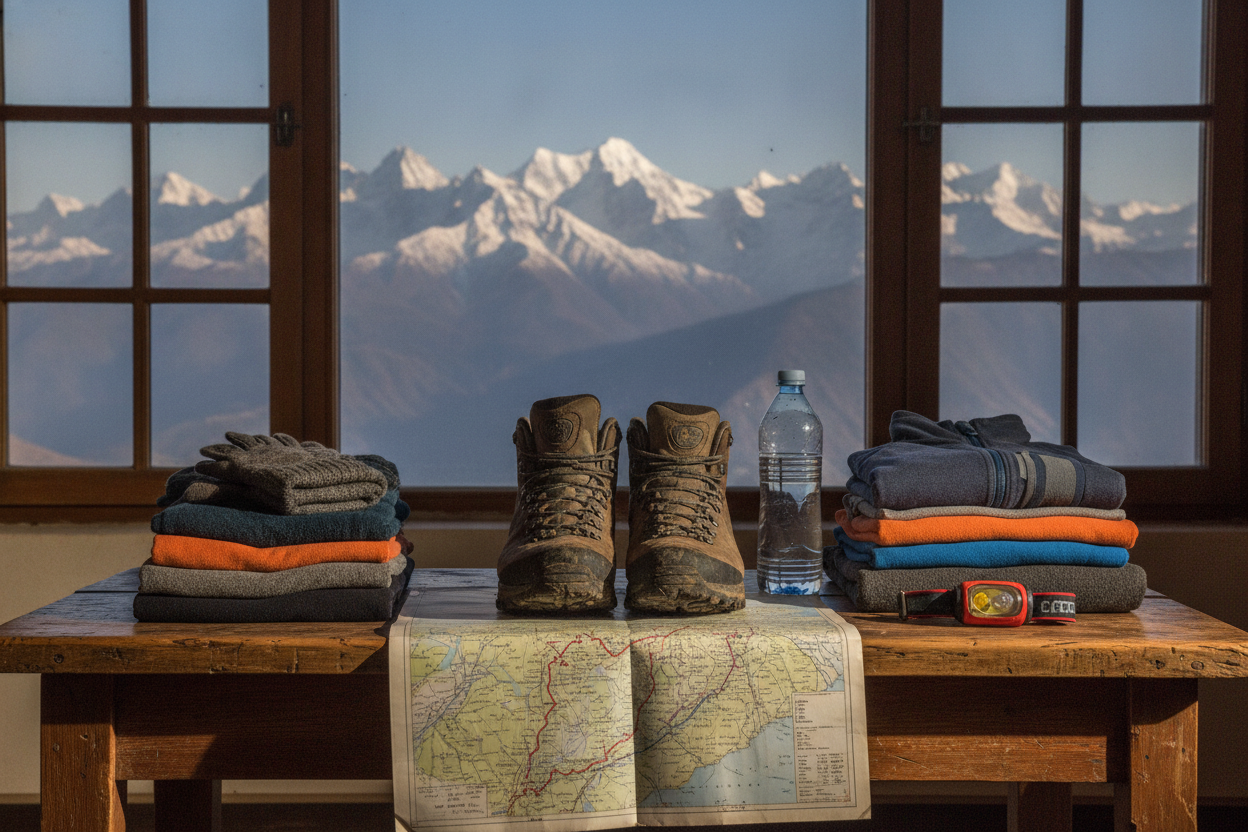
Even in a warm season, the summit can be cold and windy. Pack broken-in hiking boots, warm layers, a waterproof shell, gloves, a hat, sun protection, a headtorch, personal medication, snacks and trekking poles. Carry a charged phone, but do not rely on signal in remote terrain. For a broader nature and heritage context, read our guide to Toubkal National Park.
Questions trekkers often ask
Does being fit prevent altitude sickness?
No. Fitness helps you manage the walking, but it does not guarantee that your body will acclimatise quickly. Previous experience at altitude, ascent speed and sleeping elevation matter more than racing pace.
Should I descend for a headache?
Discuss any new headache with your guide, especially when it comes with another symptom. Do not continue to a higher sleeping altitude while symptoms are getting worse. A qualified guide can help assess the situation and choose the safest response.
Is a guide worthwhile?
Yes, particularly for first-time visitors, groups with different fitness levels, poor weather or winter conditions. A local guide brings route knowledge, language support and practical judgement. If you would like to discuss a suitable route, contact Ouirgane Guide with your dates and experience.
Plan for the mountain you have, not the summit you imagine
The best Toubkal experience is not the fastest itinerary. Build in time, walk steadily, listen to early symptoms and remain flexible about the summit. With thoughtful preparation and local support, the route from the valleys to the High Atlas can be both ambitious and responsible.
Health note: altitude illness can be serious. Consult a qualified clinician before travelling if you have concerns, and follow your guide’s instructions and local safety advice.
